Your Niche Is 400 Years Old: Five Japanese Stage Traditions That Already Solved the Creator Economy
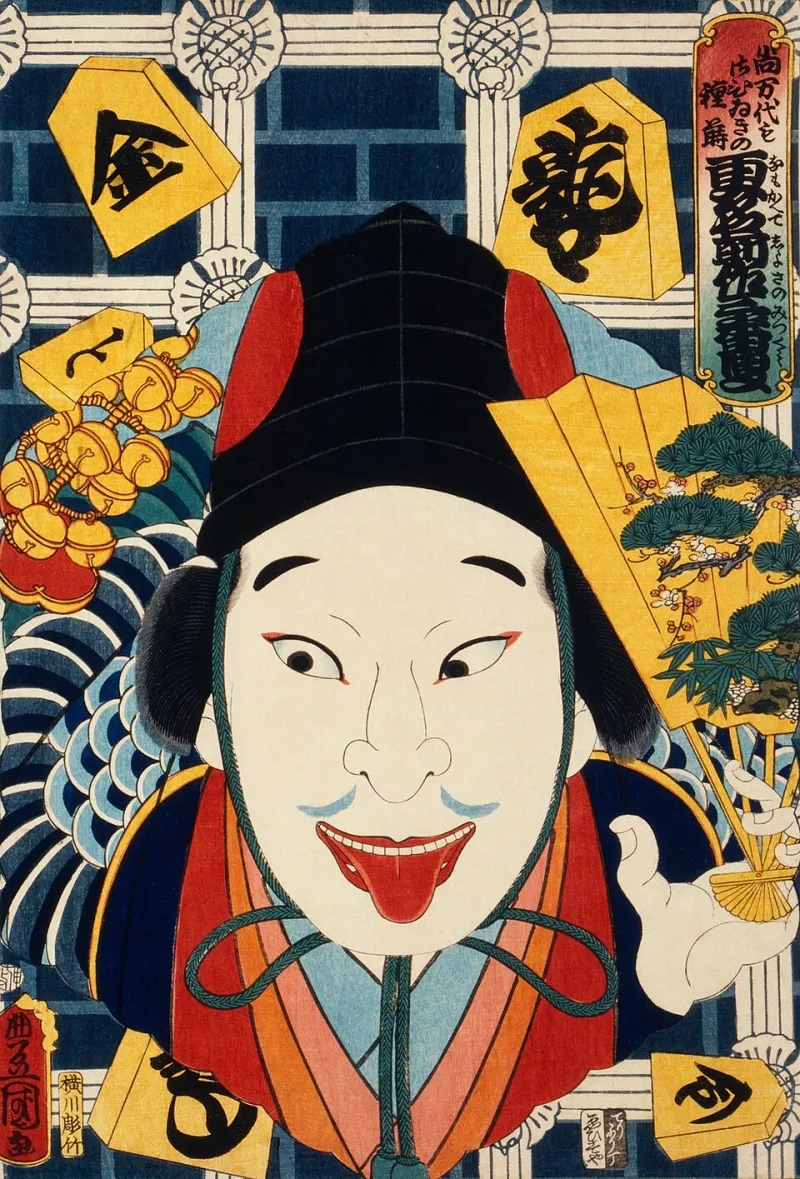
Photo: Rawpixel, CC BY-SA 4.0, via Wikimedia Commons
Every American content creator eventually has the same lightbulb moment: "Wait — I should build a membership. A brand. A community that pays monthly." Congratulations. You've just reinvented something Japanese theater families were running in the 1600s.
The creator economy talks about itself like it's brand new, but most of its "innovations" — gated access, family branding, apprenticeship pipelines, scarcity marketing — were standard operating procedure on Japanese stages generations before the internet. Here are five traditions, and what each one teaches anyone building an audience in 2025.
1. The Hereditary Stage Name: Your Brand Is Bigger Than You
In kabuki, performers inherit stage names across generations. When an actor takes the name Ichikawa Danjūrō, he's not just getting a title — he's joining a franchise centuries old, with expectations, techniques, and a fanbase attached.
The takeaway: Build something that outlives your current content strategy. The smartest American creators think in terms of brands and catalogs, not individual uploads. A name, a format, a signature series — these are assets. A viral video is a paycheck; a named tradition is an estate.
2. Guild Training: Gatekeep the Craft, Not the Content
Traditional Japanese performance arts ran on guild-style apprenticeships. The iemoto system — the headmaster model still used in tea ceremony and dance schools — licenses teachers, tracks lineages, and controls who can pass the art forward. Access to the craft was carefully gated, even while performances played to packed public houses.
The takeaway: Most creators gate the wrong thing. They paywall their content while giving away their process for free. Flip it. Share performances widely, but charge for the teaching — courses, workshops, feedback, community. The show is marketing. The school is the business.
3. Curated Audience Access: Small Rooms, Devoted Fans
Some traditional Japanese theater experiences were built around intimacy — small venues, close patron relationships, audiences who knew the performers personally and supported them season after season. Loyalty wasn't a metric; it was the entire economic engine.
The takeaway: A thousand true fans isn't a modern invention, and neither is the mechanism: proximity. Patreon, Discord, and Substack all monetize the same thing those small rooms offered — closeness to the performer. If your community feels like a crowd, you've built a stadium with no ticket sales. Make it feel like a room.
4. Seasonal Programming: Scarcity on a Calendar
Japanese stage traditions run on seasonal rhythms — performances tied to the year's calendar, programs that change, traditions that appear briefly and then vanish until next year. You couldn't binge it. You had to show up or miss it.
The takeaway: American creators drown themselves in daily output, then wonder why nothing feels special. The Japanese model says: schedule your scarcity. Annual events, limited runs, seasonal series. A once-a-year tradition will outperform fifty forgettable uploads — for your audience and your sanity.
5. The Oshiguchi Fan Economy: Patronage With Personality
Centuries before merch drops, kabuki had oshiguchi — the practice of fans formally presenting their names to actors, a structured system of fan identification and patronage. Being a known supporter carried status. Fans weren't anonymous consumers; they were members of something.
The takeaway: Give your superfans an identity, not just a tier. Recognizable roles, insider language, visible status within your community. The $5 subscriber who feels named is worth ten anonymous ones. Recognition is the cheapest retention tool ever invented, and Japan's stages were using it before the United States existed.
Old Wisdom, New Platform
None of this means the creator economy is unoriginal — it means the fundamentals of sustainable performance careers were solved long ago, and we're all just relearning them in a new medium. Japan's stage traditions survived four centuries because they understood something algorithms don't teach: audiences don't just consume performers. They join them.
Build like it's 1650. The internet will catch up.