Before the Curtain Rises: How Japan Turns Preparation Into a Performance of Its Own
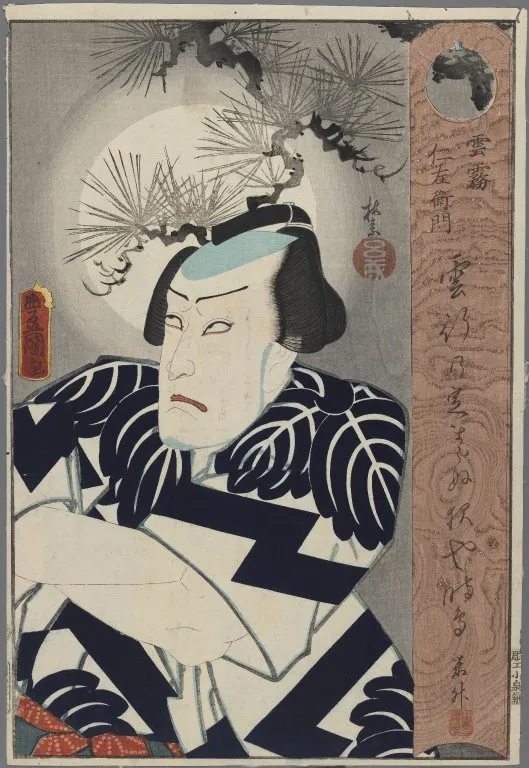
Photo: Utagawa Kunisada, No restrictions, via Wikimedia Commons
There's a moment backstage at every kabuki performance that no ticket holder will ever see. Hours before the curtain lifts, an actor sits in front of a mirror and begins the slow, deliberate work of becoming someone else. The kumadori makeup isn't painted on — it's pressed in, stroke by stroke, with the actor's own fingers. It can take the better part of an hour. Nobody hurries. Nobody checks their phone.
For a long time, Western audiences would have called that excessive. Now? American touring acts, Broadway casts, and even NFL training staffs are starting to call it something else: a blueprint.
When Getting Ready Becomes the Work
Here's the idea that flips everything: in Japanese performance culture, preparation isn't the thing you do before the show. It is the show — just a private version of it.
Kabuki actors describe the mirror ritual (kagami no ma, the "room of the mirror") as the moment the performance actually begins. The transformation in front of the glass is where the character is born, and the stage appearance is simply the public reveal. That reframe matters. If the show starts in the dressing room, then there's no such thing as "warming up" — there's only performing at different levels of visibility.
Compare that to the typical American backstage scene: chaos, catering, a vocal run squeezed in ten minutes before places. The assumption has always been that the real work happens under the lights, live, when it counts. Japan's tradition argues the opposite — that what happens under the lights is merely the receipt for work already done.
The Idols Who Meditate Before Mayhem
You don't have to look to classical theater to see this in action. Walk the corridors before a J-pop arena show and you'll find something closer to a monastery than a locker room. Idol groups — performers who routinely dance full-out for two-hour sets in front of tens of thousands — are known for pre-stage routines that look almost anti-entertainment: group circles, silent breathing, quiet hand-stacking, moments of genuine stillness before the noise.
The logic is practical, not mystical. When your job is to project joy for two hours, you can't arrive at the stage already emotionally spent. The ritual creates a boundary — a clean line between the person and the persona — so that the energy spent on stage is energy spent on purpose.
That's the part resonating with American performers right now. Touring burnout has become a genuine crisis in the US music industry, with high-profile artists canceling legs of tours citing exhaustion and mental health. The Japanese model offers an answer that isn't "rest more" but rather "make the preparation itself restorative." A ritual, done consistently, gives the nervous system a predictable on-ramp. Stage fright doesn't stand a chance against a routine the body has performed a thousand times.
Athletes Got There First — Now the Performers Are Following
If this sounds familiar to sports fans, it should. American athletes have been flirting with ritual culture for years — pre-game routines, visualization work, the NBA's obsession with sleep and recovery science. Tom Brady's stretching rituals and Simone Biles's mental training made preparation a mainstream topic in US sports.
Performers are catching up. Broadway companies now bring in mindfulness coaches. Touring pop acts hire "routine consultants" — a job title that didn't exist a decade ago. Dance crews rehearse not just choreography but their entry into the rehearsal itself, treating the first fifteen minutes as sacred.
What they're discovering matches what kabuki actors have known for centuries: consistency in the small things creates freedom in the big ones. When the pre-show routine is fixed, the performer's attention is freed up for the unpredictable — a dropped line from the audience, a broken strap, a moment of genuine inspiration. Ritual isn't rigidity. It's a launchpad.
The Question Worth Asking
But there's a sharper angle here, and it's the one worth sitting with: what happens when preparation becomes performance in its own right? Some young kabuki fans now attend makeup demonstrations and behind-the-scenes events where the transformation process itself is the draw. The private ritual is going public.
There's a risk in that — turn the warm-up into content, and you lose the sanctuary quality that made it work. But there's also an opportunity for American performers drowning in the demand to be "on" twenty-four hours a day. The Japanese model suggests a third option between total exposure and total privacy: a disciplined inner life, shared on your own terms.
The lesson crossing the Pacific isn't really about incense or meditation cushions. It's this: the performers who last aren't the ones who shine brightest on stage. They're the ones who treat the hours before the stage with the same seriousness as the stage itself.
The curtain, in other words, is a formality. The show started long ago.