The Second Act Is the Legacy: Why Japan's Retired Legends Never Actually Leave the Building
America has a strange habit with its stars: we celebrate them, we exhaust them, and then we quietly file them away. The pop star ages out of the charts. The athlete gives the farewell press conference. The actor becomes a trivia answer. Retirement, in the American entertainment imagination, is a cliff — you're relevant, and then you're a memory.
Japan built its entertainment culture on a completely different premise, and honestly, it's time we took notes. There, the end of a performing career is rarely an ending. It's a lateral move into power.
The Curtain Call That Isn't
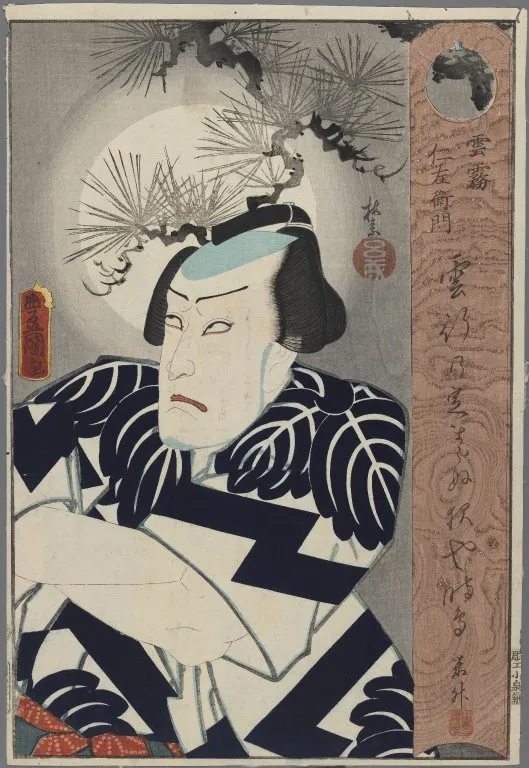
Look at how Japanese entertainment icons actually age. Legendary performers step back from the stage and reappear as choreographers shaping the next generation's routines. Former idols become producers, creative directors, and mentors. Kabuki masters spend their later decades teaching, casting, and preserving the art form they spent a lifetime mastering. The farewell tour, when it happens, is often less an exit than a rebranding.
This isn't sentimentality — it's infrastructure. Japan's entertainment industries treat experienced performers as institutional knowledge, the way a hospital treats senior surgeons. You don't discard four decades of craft because the knees gave out or the charts stopped calling. You redeploy it.
What We Lose in the American Model
The US system's "fade into obscurity" default isn't just unkind to the performers. It robs the audience and the industry.
Think about what a retired legend actually knows. Not just technique — though that's enormous — but the unwritten stuff: how to survive a hostile press cycle, how to read a dead audience, how to protect a young performer from the mistakes you made at twenty-two. None of that lives in a masterclass video. It lives in a person, and when that person exits the industry entirely, it exits with them.
Compare that to the Japanese model, where the 60-year-old former star choreographing a rookie group is doing something no textbook can replicate: transmitting living knowledge through working relationships. The rookie doesn't just learn the moves. She learns the judgment behind the moves.
The Ego Problem Nobody Talks About
Here's the uncomfortable part, and I'll say it plainly: the American resistance to this model is partly an ego problem, and it runs in both directions.
Stars resist the second act because our culture frames stepping back as losing. If relevance equals visibility, then choreographing someone else's tour reads as an admission of decline. Meanwhile, the industry resists it because youth sells and experience costs money. Both assumptions are lazy.
Japan's entertainment culture makes a different bet: that mastery compounds. A performer's twenties are for heat. Their forties, fifties, and beyond are for depth — and depth is a product. Audiences will pay for it, students will seek it, and companies will build around it, if the culture lets the legend be a legend in a new form.
The Encore Nobody Claps For
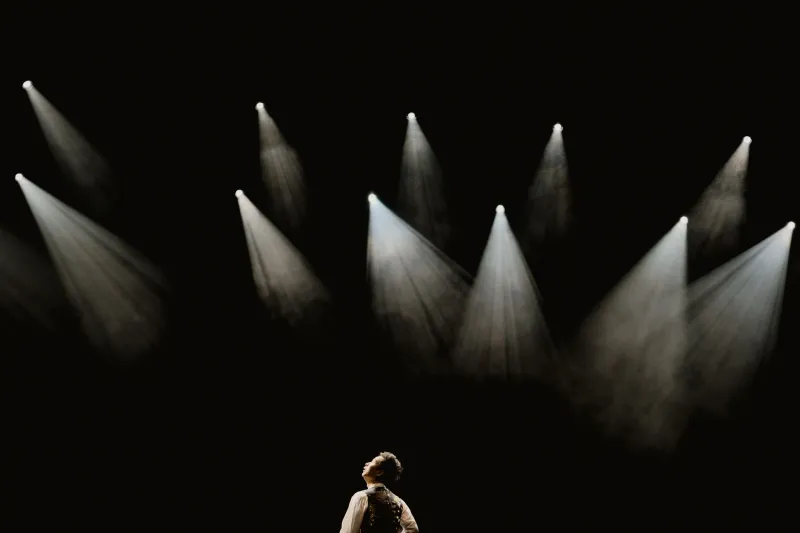
There's a poetic irony here. The most important work many Japanese entertainment icons do happens where nobody applauds — in rehearsal studios, production meetings, casting rooms. No spotlight. No encore. Just the patient transfer of a lifetime's craft into the people who'll carry it forward.
And that, I'd argue, is where legacy actually gets built. The spotlight measures fame. The second act measures impact. Any star can fill an arena. It takes a different kind of greatness to build the person who fills the next one.
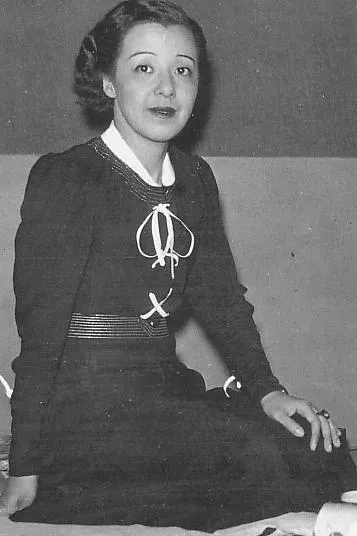
So the next time an American icon announces their retirement, don't ask where they're going. Ask who they're going to teach. Because somewhere in Tokyo, a retired legend is in a rehearsal studio right now — no cameras, no crowd, no applause — quietly building the future of the very art form we assumed she'd left behind.
That's not retirement. That's the real show.