Gone on Purpose: The Japanese Art of Disappearing to Come Back Stronger
There's a moment in almost every American creator's career where the grind starts to feel less like passion and more like survival. Post every day. Stay relevant. Never let the algorithm forget you exist. The pressure is relentless, and the burnout is real. But halfway across the world, some of Japan's most celebrated artists have been quietly practicing something that looks, on the surface, like career suicide — and turning it into one of the most powerful moves in the entertainment playbook.
They disappear. Deliberately. And when they come back, the world loses its mind.
The Hiatus as a Creative Statement
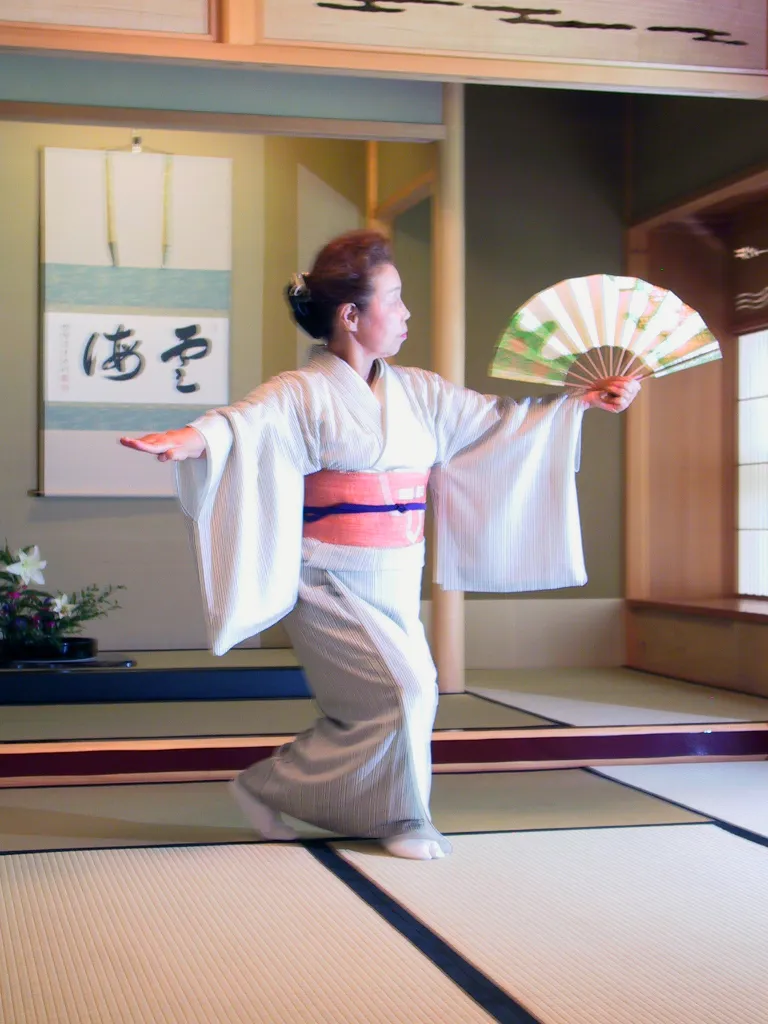
In Japanese entertainment, the concept of a strategic absence isn't treated with the same panic it might trigger in a Hollywood boardroom. There's actually a cultural scaffolding that supports it. Think about the philosophy embedded in traditional Japanese arts — the idea that mastery requires deep, uninterrupted inner work. You don't rush the process. You honor it.
Utada Hikaru is probably the most internationally recognizable example of this. One of Japan's best-selling solo artists of all time, she announced an indefinite hiatus from her music career in 2010 at the absolute peak of her fame. No farewell tour. No dramatic press conference. She simply stepped away to focus on her personal life, including the emotional aftermath of her divorce and the loss of her mother. When she returned in 2016 with Fantôme, the album debuted at number one and was hailed as one of the most emotionally resonant records of her career. The absence hadn't dimmed her — it had distilled her.
That's not a coincidence. That's craft.
What Disappearing Actually Does to an Artist
Here's the thing that the always-on content machine doesn't want you to think about: constant output often means diluted output. When you're producing for the sake of presence rather than purpose, the work shows it. Audiences feel it even when they can't name it. There's a hollowness to content created under obligation versus content created from genuine overflow.
Japanese performers — whether in music, theater, or film — have long understood that the well needs time to refill. The extended break isn't laziness or fear. It's a form of creative stewardship. You're protecting the source material: yourself.
Psychologically, there's something powerful about removing yourself from the noise. When you're no longer feeding the machine, you stop measuring your worth in metrics. You stop performing for an imagined audience and start reconnecting with why you picked up the instrument, stepped onto the stage, or picked up the pen in the first place. That reconnection is where the genuinely transformative work gets made.
The Audience Equation
But what about fans? Doesn't disappearing risk losing them entirely?
Actually, the opposite tends to happen — and this is where Japanese entertainment offers a genuinely counterintuitive lesson. Absence creates longing. It transforms a performer from a familiar presence into something mythic. When Utada went quiet, she didn't fade from cultural memory. She became more significant in it. Fans didn't move on; they held space. And when she returned, the emotional reunion between artist and audience was charged with something that no amount of regular content drops could manufacture.
This mirrors something deeply embedded in Japanese aesthetic philosophy — the concept of ma, or meaningful negative space. In music, it's the pause between notes. In theater, it's the stillness before the action. In a career, it might just be the years between albums that make the next one hit differently. The absence isn't empty. It's load-bearing.
American Creators Are Starting to Catch On
For a long time, the American entertainment industry treated hiatuses as red flags. Take too long between projects and you're considered difficult, washed up, or worse — irrelevant. But the cultural conversation is shifting, particularly among younger creators who've watched their peers burn out spectacularly in real time.
Adele took a four-year break before 30 and returned to one of the most commercially and critically successful comebacks in recent memory. Beyoncé has famously controlled her visibility with near-surgical precision, often going quiet before detonating a cultural moment. These aren't accidents. These are artists who've figured out — whether consciously or not — what Japanese performers have known for generations: scarcity is a form of power.
The difference is that in Japan, this practice has philosophical roots. It's not just a PR strategy. It's connected to a broader understanding of artistic life as a long arc, not a sprint. The career isn't measured in quarterly engagement reports. It's measured in decades, in legacy, in the depth of mark left on a culture.
What the Rest of the World Can Borrow
If you're a creator — musician, actor, writer, performer — the Japanese model of strategic absence offers something genuinely radical: permission to stop. Not forever. Not carelessly. But intentionally, purposefully, and without apology.
The questions worth sitting with are simple but not easy. What would you make if you weren't making for an audience? What do you actually have to say when you strip away the pressure to say something constantly? What version of your work exists on the other side of real rest and real reflection?
Japanese artists who've taken this path don't return with more of the same. They return transformed. The hiatus isn't a pause in the story — it becomes part of the story. It deepens the mythology. It gives the audience something to lean into, a narrative of disappearance and return that's been resonating with human beings since long before the internet made everyone available all the time.
The Legacy Built in Silence
There's a kind of courage in stepping away when the world is telling you to stay visible. It requires trusting that your work is strong enough to survive your absence — and trusting yourself enough to believe that what you'll bring back will be worth the wait.
Japan's greatest performers have built some of their most enduring legacies not in spite of their disappearances, but because of them. The silence wasn't a gap in the catalog. It was the canvas that made everything painted on it more vivid.
In a media landscape that rewards noise above almost everything else, that's not just a performance strategy. It's a quiet act of rebellion — and it might be the most powerful thing a creator can do.