Why the Journey Is the Point: What Japanese Performers Know About Success That Western Stars Are Only Starting to Learn
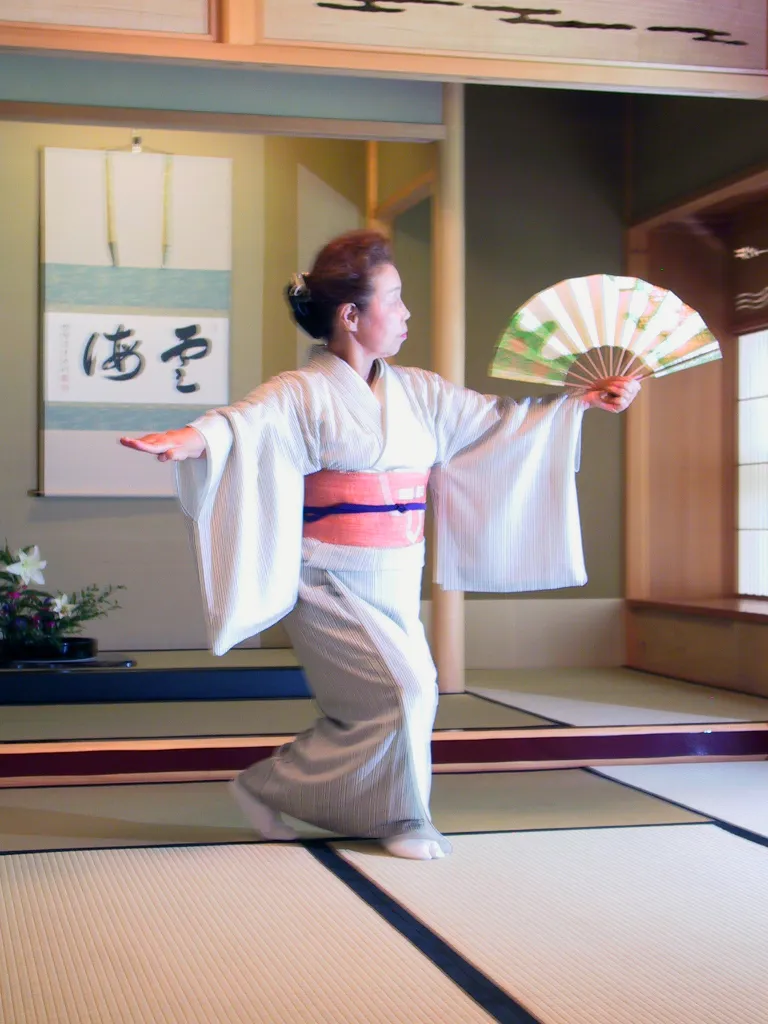
Photo: Rdsmith4, CC BY-SA 2.5, via Wikimedia Commons
There's a word in Japanese — shokunin — that doesn't translate cleanly into English. It's often rendered as "craftsman" or "artisan," but neither quite captures the full weight of it. A shokunin isn't just someone who is good at what they do. They are someone who has surrendered their life to the pursuit of doing it better. The paycheck is almost beside the point.
That same spirit runs deep through Japanese entertainment culture, and right now, as American performers grapple with burnout rates, algorithmic pressure, and the relentless demand to stay relevant, it's starting to look less like a cultural curiosity and more like a survival strategy.
The Metric That Doesn't Show Up on a Chart
If you've spent any time watching Western entertainment news, you know the scoreboard by heart: box office numbers, streaming views, chart positions, follower counts. Success is measurable, public, and often instantaneous. A debut can make someone a star overnight, and a slow quarter can make that same star feel disposable.
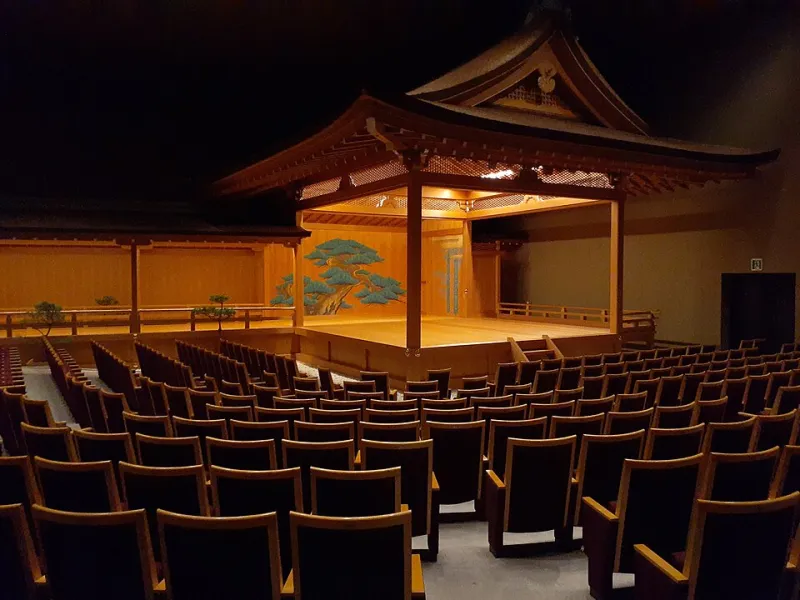
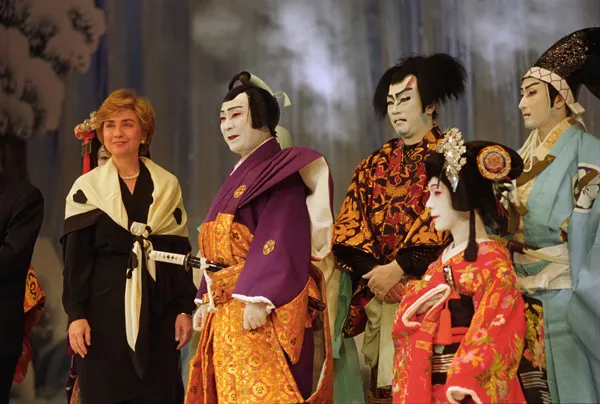
Japanese performance culture operates on a fundamentally different clock. Whether you're looking at the rigorous training pipelines of major talent agencies, the multi-year apprenticeships inside traditional theater forms like Noh or Kabuki, or even the structured idol development systems that have shaped J-pop for decades — the underlying assumption is the same: mastery takes time, and that time is the work.
This isn't just philosophical posturing. It shapes how performers practice, how they present themselves publicly, and how they relate to their own careers over years and decades. The focus isn't on the next hit. It's on becoming someone capable of making hits that mean something.
Discipline as a Daily Act of Respect
Ask anyone who has trained seriously inside a Japanese performance tradition and they'll tell you the same thing: the practice itself is treated as sacred. Routines are not shortcuts to performance — they are the performance, rehearsed privately until they become second nature.
This philosophy has roots that stretch back centuries. In classical Japanese arts, the concept of kata — a set sequence of movements or forms practiced repeatedly — exists not to make performers mechanical, but to free them. Once the form is internalized, the performer can stop thinking about technique and start thinking about expression. The discipline creates the freedom.
American performers are starting to rediscover something similar, often after hitting a wall. More actors, dancers, and musicians are publicly talking about stepping back from the content treadmill to focus on craft. The conversation around sustainable artistry — building a career that doesn't require burning yourself out every six months — has never been louder in Hollywood or on Broadway. And a lot of the language being used sounds, whether intentionally or not, very Japanese.
What Slow Careers Actually Look Like
One of the most striking things about Japanese entertainment culture, at least to Western eyes, is how long careers actually last when they're built this way. Performers who trained for years before their public debut often maintain devoted audiences for decades. They don't flame out. They deepen.
That longevity isn't accidental. When a performer has spent years focusing on the internal work — refining technique, developing emotional range, building a personal artistic identity — they have something to draw on when trends shift. They're not entirely dependent on the current moment's taste. They've become something more durable.
Fan bases built around this kind of performer tend to reflect the same values back. They're not just consumers of content — they're witnesses to an ongoing journey. They feel invested in the development of the artist, not just the output. That's a different kind of loyalty, and it's harder to lose.
The Burnout Equation
Let's be honest about what the Western model has produced. Burnout among entertainers in the US has become a genuine crisis. The pressure to be constantly visible, to release content on a schedule driven by algorithms rather than artistic readiness, to maintain a personal brand across multiple platforms simultaneously — it's genuinely unsustainable for a lot of people.
Several high-profile American artists have spoken openly in recent years about stepping away from the spotlight not because their careers were failing, but because the pace of it was making them miserable. The system that was supposed to reward success was making success feel hollow.
The Japanese model doesn't promise an easy path — training intensively for years before a public debut is its own kind of demanding. But there's a crucial difference: the difficulty is directed inward. It's about becoming better, not about being seen more. That shift in orientation changes what the hard work feels like and, crucially, what it produces.
Authenticity Isn't a Brand Strategy
Here's something the marketing world hasn't quite figured out yet: authenticity can't be manufactured. Audiences feel the difference between a performer who has genuinely earned their stage presence and one who has been packaged to project it.
Japanese entertainment culture — particularly its traditional forms — produces performers who have lived inside their art for so long that the art becomes inseparable from who they are. That's not a personal branding strategy. It's the natural result of years of prioritizing the process.
American audiences are increasingly hungry for that quality, even if they can't always name what they're responding to. There's a reason certain performers command rooms in a way that can't be explained by their streaming numbers or their social following. It's presence — and presence is built in private, over time, through exactly the kind of disciplined, process-oriented work that Japanese performance culture has always championed.
A Different Kind of Ambition
None of this is to say that Japanese performers don't care about success. They do. But the ambition tends to be oriented differently — toward a standard of excellence that the performer sets for themselves, rather than a metric handed down by an industry or an algorithm.
That kind of ambition is quieter, but it runs deeper. It doesn't spike and crash. It accumulates.
For American performers watching their peers burn out, lose themselves in the content machine, or find that commercial success hasn't delivered the fulfillment they expected — this is the part that tends to land hardest. Not the specific practices, not the cultural traditions, but the underlying idea: that the most meaningful version of a career is built on the relationship between the performer and their craft, and everything else — the audience, the revenue, the recognition — flows from that.
The ritual isn't in service of the result. The ritual is the result. Japan figured that out a long time ago. The rest of the world is catching up.