Rehearsing for No One: The Japanese Performance Secret That Puts Mastery Before the Moment
Photo: U.S. Army, CC BY 2.0, via Wikimedia Commons
There's a moment that happens in almost every American artist's career — the pivot. You stop asking "How good am I?" and start asking "How many people are watching?" It's subtle, and honestly, it makes sense. In a culture that measures success in follower counts and trending sounds, the external audience becomes the scoreboard. But spend any time studying Japan's performance world, and you'll notice something that feels almost radical by comparison: the most respected artists there practice like nobody's looking — because for most of their training, nobody is.
That's not an accident. It's a philosophy. And it's starting to make a lot of American creatives stop and think.
The Room Where It Actually Happens
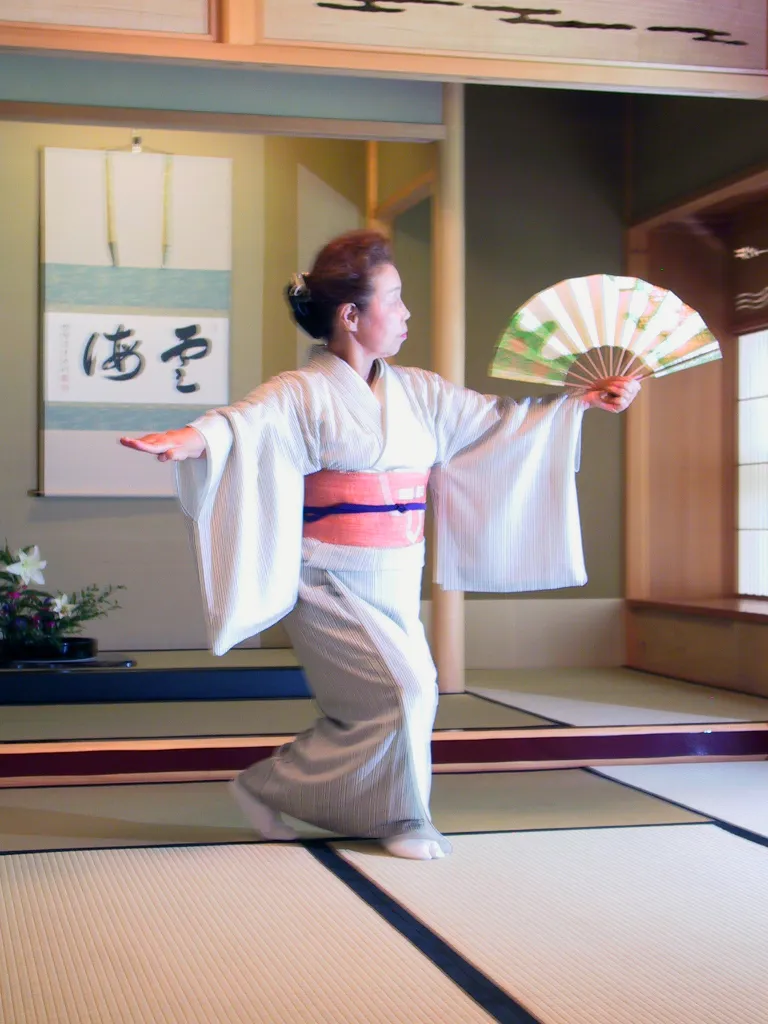
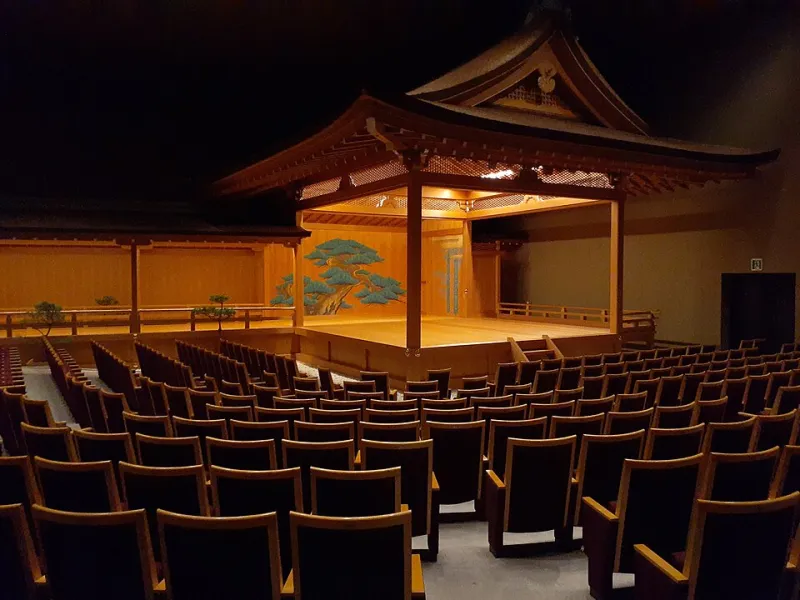
In traditional Japanese performance disciplines — Noh theater, Kabuki, classical dance, even certain schools of contemporary stage work — there's an enormous emphasis on what happens before the curtain rises. Hours, sometimes entire days, are spent in empty rehearsal spaces, refining gestures that audiences may barely register. A slight tilt of the wrist. The exact rhythm of a breath before a line. The weight of a footstep.
This isn't about perfectionism in the obsessive Western sense. It's something closer to what the Japanese call shokunin spirit — a craftsperson's deep, almost devotional commitment to the work itself, independent of who's applauding. The performance isn't the point. The practice is the point. The stage is just where you show what you've built in private.
Compare that to the average American content creator or emerging performer today. The pressure to document everything — the process, the rehearsal, the behind-the-scenes moment — means the "empty room" barely exists anymore. Every stumble is potential content. Every breakthrough is a story beat for Instagram. The line between practicing and performing has basically dissolved.
Why Metrics Make Bad Teachers
Here's the thing about chasing viral moments: the feedback you get is fast, but it's not always honest. A clip blows up not because you did something artistically profound, but because you posted it at the right time, with the right sound, in the right format. The algorithm rewards novelty and relatability, not depth. And when artists start calibrating their work to those signals — even subconsciously — something shifts.
You start editing yourself before the creative process even gets going. You ask "will people get this?" before you ask "does this feel true?" You optimize for the clip instead of the full arc. And slowly, the work gets smaller. Safer. More digestible.
Japanese performance culture essentially builds a firewall against that pressure by keeping the developmental process private for so long. Young performers in traditional arts often spend years — sometimes a decade or more — studying before they ever appear on a real stage. That's not gatekeeping for its own sake. It's protection. It keeps the artist from outsourcing their artistic judgment to an audience that hasn't earned the right to weigh in yet.
What Authenticity Actually Costs
There's a word that gets thrown around constantly in American entertainment: authentic. Brands want it. Audiences claim to crave it. Performers are told to "just be themselves." But authenticity, in the deep sense, isn't something you perform. It's something you build — quietly, slowly, often alone.
The Japanese approach to empty-room practice is essentially a long investment in that kind of authenticity. When you've rehearsed something thousands of times without an audience, you're not thinking about how it lands. You're thinking about how it is. That distinction sounds small, but it changes everything about the quality of presence an artist brings to a live moment.
American audiences can feel this difference, even if they can't always name it. There's a reason certain performers just hold the room in a way that others — even technically skilled ones — don't. Part of that is natural charisma, sure. But a lot of it is depth. It's what happens when someone has spent serious time alone with their craft, wrestling with it, not for an audience, but for themselves.
The Social Media Trap Isn't Going Away — So Now What?
Let's be real: telling American artists to simply log off and practice in silence is a little naive. The economics don't allow for it. Visibility matters. Building an audience early matters. There are real, practical reasons why emerging performers in the US can't just disappear into a rehearsal room for five years.
But there's something worth borrowing from the Japanese model, even within those constraints. It's less about how much you share and more about what you protect. Keeping some part of the creative process genuinely private — not for content strategy, but for your own artistic development — creates a reservoir that the public-facing work can draw from. It's the difference between a well and a puddle.
Some of the most compelling American performers working today seem to intuitively understand this. They're visible, yes, but there's always a sense that you're only seeing part of what they've got. That sense of depth — the feeling that something is being held back — is actually what keeps audiences coming back. Mystery and mastery tend to travel together.
The Long Game Nobody Talks About
One more thing worth considering: Japanese performers who train this way tend to have remarkably long careers. When your artistic identity isn't built on external validation, it doesn't collapse the moment the algorithm moves on. You're not chasing a moment — you're building a body of work. And bodies of work age differently than viral moments do.
In a culture that's increasingly aware of burnout, creative exhaustion, and the emotional cost of constant performance, that kind of sustainability starts to look less like a quaint cultural tradition and more like a serious competitive advantage.
The empty room isn't empty at all, really. It's full of the work that makes everything else possible. And maybe the most radical thing a performer can do right now is spend a little more time in it — with the phone face-down, the notifications off, and nobody watching.
That's where the real show gets built.