Never Really Gone: The Japanese Performer's Secret to Staying Relevant Forever

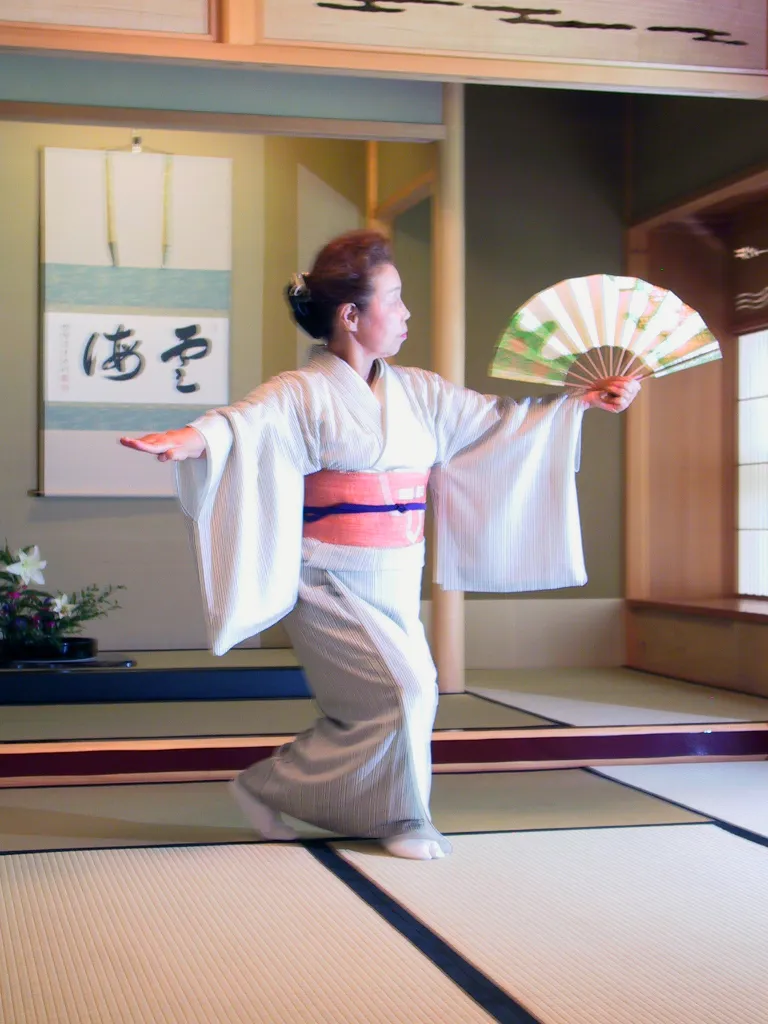
Photo: yuiseki aoba from 東京都台東区花川戸, 日本, CC BY 2.0, via Wikimedia Commons
There's a moment every Western fan dreads. The farewell tour announcement. The "this is our last album" press release. The Instagram post with the sunset photo and the caption that basically says it's been real, bye. Closure, apparently, is something American audiences have been conditioned to need — a clean ending, a bow, a door that shuts all the way.
Japanese entertainment doesn't really do that. And it turns out, that's kind of genius.
The Goodbye That Isn't
In Japan, the concept of a performer "retiring" has always been a little... flexible. Actors step away from television and quietly resurface in stage productions. Idol groups go on indefinite hiatus only to reunite for a single anniversary concert that sells out in eleven minutes. Musicians release farewell albums and then, a few years later, drop a new single like nothing happened.
To Western eyes, this can look inconsistent. Maybe even a little dishonest. But look closer and you'll see something more intentional at work. Japanese entertainers aren't being evasive — they're managing anticipation like a long game, stretching the emotional connection between performer and audience across years, sometimes decades.
It's less about closure and more about continuation. The relationship doesn't end. It just changes shape.
Why Western Audiences Crave the Final Curtain
American pop culture is obsessed with endings. Think about how much cultural real estate we dedicate to series finales, retirement ceremonies, farewell seasons. We throw goodbye parties for late-night hosts. We livestream last concerts. We need the story to wrap up neatly because, in a lot of ways, Western entertainment is built around narrative arcs — a beginning, a middle, and a satisfying end.
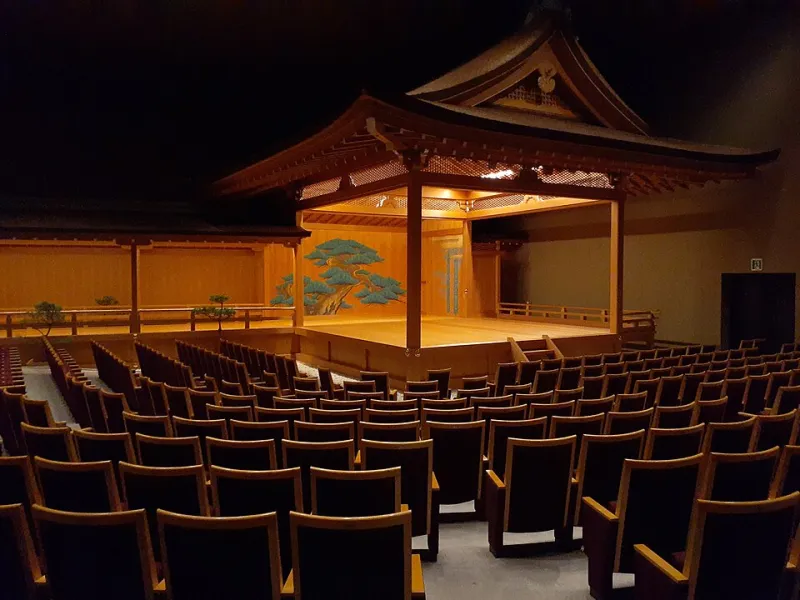
Japanese performance traditions, by contrast, are rooted in something more cyclical. Noh theater, Kabuki, even the structured world of the idol industry — these aren't built on the idea that stories finish. They're built on the idea that forms transform. A Kabuki role passes from one generation to the next. A beloved character returns in a new production with a new cast. The story doesn't end; it reincarnates.
That philosophical difference shows up in how performers manage their careers. And increasingly, it's showing up in how smart Western artists are starting to think about their own longevity.
The Psychology of the Return
Here's what the Japanese entertainment industry figured out a long time ago: absence, when handled correctly, is its own kind of presence.
When a performer steps back — even partially, even temporarily — they create a vacuum. Fans fill that vacuum with nostalgia, with rewatching old performances, with fan communities that keep the flame alive. And when the performer returns, even for something limited, the emotional payoff is enormous. It doesn't feel like a comeback. It feels like a reunion with someone you missed.
This is the encore effect in action. The show ends, the lights go down, and the audience applauds — not because they think it's over, but because they hope it isn't. The performer returns. The moment hits harder than anything in the main set.
Now imagine building an entire career on that dynamic.
Groups like SMAP, Morning Musume, and more recently TWICE have demonstrated different versions of this. Members cycle in and out. Generations overlap. Limited reunion events become cultural moments. The fan base doesn't shrink with each departure — it deepens, because every return carries the weight of everything that came before it.
What This Looks Like in the Streaming Era
Streaming has actually made this strategy more powerful, not less. When a performer's back catalog lives permanently on Spotify or Netflix, they never fully disappear from the cultural conversation. A documentary drops. An old drama gets recommended by the algorithm. A new generation of fans discovers a twenty-year-old concert film and falls in love with someone their older siblings grew up watching.
Japanese entertainment has an unusually rich archive culture — obsessive fan preservation of live recordings, variety show appearances, radio broadcasts. That archive becomes a bridge between generations of fans. And when the performer makes a surprise return, they're not just reconnecting with longtime followers. They're being discovered fresh by people who weren't even born during the original run.
Western artists are starting to catch on. Taylor Swift's vault tracks and re-recorded albums are essentially a masterclass in cyclical return — giving existing fans new reasons to engage while pulling in listeners who missed the original release. BTS's ongoing cycle of hiatuses, solo projects, and group reunions has kept them in the cultural conversation in a way that a clean "goodbye" never could have.
But Japan has been running this playbook for decades.
The Fan Empire Angle
There's also a community dimension to this that's easy to underestimate. When a performer never fully goes away, the fan community never fully disperses. Fan clubs stay active. Online forums keep running. The infrastructure of fandom — which takes enormous time and emotional investment to build — remains intact.
This matters because fan communities aren't just audiences. They're ecosystems. Merchandise markets, event attendance, streaming numbers, social media engagement — all of it depends on a community that stays connected and invested. A clean goodbye dissolves that community. A strategic, open-ended pause preserves it.
Japanese entertainment management has long understood that the fan relationship is an asset to be maintained, not a resource to be used up. The cyclical return isn't just emotionally satisfying for fans — it's economically smart. It keeps the machine running without burning it out.
What Matsumoto Rio Sees in All of This
From where we sit — watching Japanese artistry meet the world stage in real time — the encore effect feels like one of the most underrated ideas in entertainment right now. Western pop culture is slowly, sometimes awkwardly, learning to let go of the idea that every story needs a final chapter.
The performers who last aren't the ones who burn brightest and burn out. They're the ones who understand rhythm — when to step forward, when to step back, and when to return in a way that makes the audience feel like they've been waiting for exactly this moment.
The Japanese entertainment tradition figured that out a long time ago. The rest of the world is just starting to take notes.