The Power of Nothing: How Japanese Performers Turn Silence Into the Loudest Moment in the Room
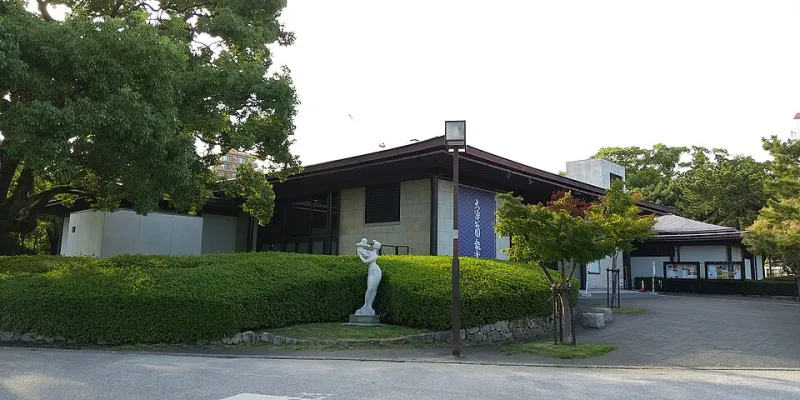
Photo: Hirho, CC BY-SA 4.0, via Wikimedia Commons
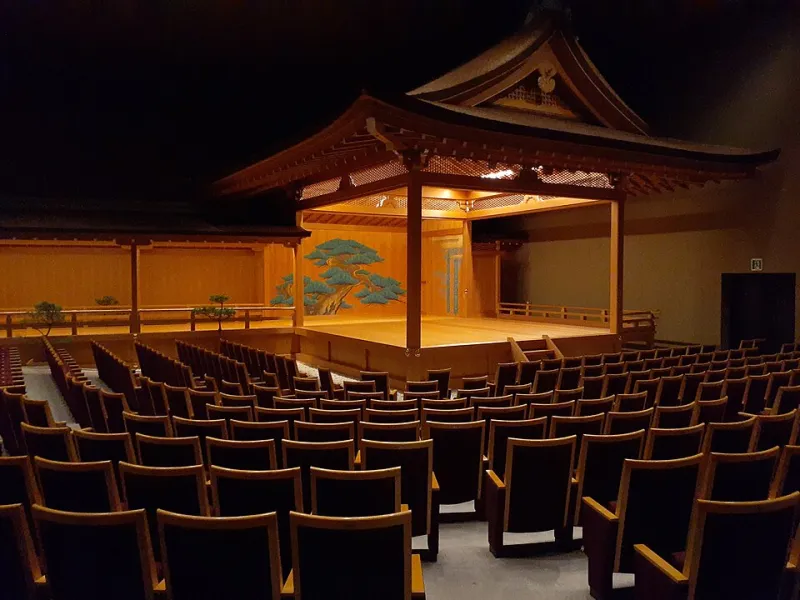
There's a moment in a noh performance when the actor stops moving entirely. No music. No words. Just a figure standing so still you start to wonder if you imagined the last ten minutes. And then — without warning — something shifts. A slight tilt of the mask. A breath. The audience exhales collectively like they've been holding it for minutes, because they have been.
That moment? That's not a pause. That's a choice. And it's one of the most sophisticated psychological tools in the history of live performance.
Western audiences, raised on Broadway spectacle and Vegas-style maximalism, are increasingly encountering this kind of deliberate stillness — and it's stopping them cold in the best possible way.
Ma: The Japanese Concept That Doesn't Translate (But You Already Feel It)
In Japanese aesthetics, there's a word that gets thrown around a lot in design and performance circles: ma (間). It roughly translates to "negative space" or "pause," but those English equivalents don't really do it justice. Ma isn't just the absence of something — it's the presence of potential. It's the gap between notes that makes the melody mean something. It's the breath before a line reading that tells you everything about the character before a single word is spoken.
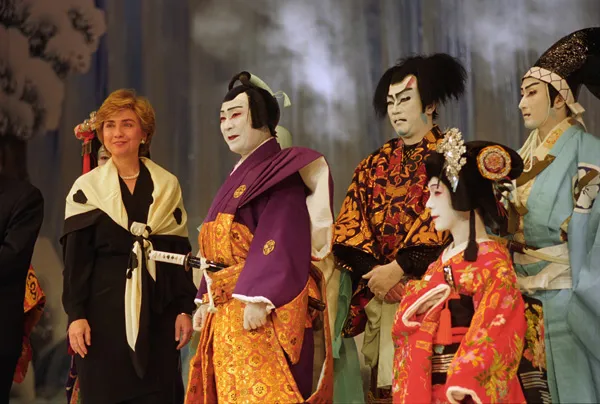
Kabuki actors study ma for years. Noh performers spend decades learning how to inhabit stillness without losing an audience's attention — which, counterintuitively, is harder than keeping them entertained with constant movement. American acting schools teach projection, energy, and filling the space. Japanese performance traditions teach you how to make the space fill itself.
The difference is subtle but enormous.
Why Silence Creates More Tension Than Action
Here's something that might surprise you: neuroscience actually backs this up. Studies on audience engagement have shown that unexpected silence triggers a heightened state of alertness in listeners and viewers. Your brain, conditioned to process constant stimuli, suddenly has nothing to grab onto — so it starts projecting. It anticipates. It imagines. And what we imagine is almost always more potent than what we're shown.
Kabuki has known this for centuries. The mie — that famous frozen pose where an actor locks into an exaggerated stance and holds it — isn't just visually dramatic. It forces the audience to do the emotional work. You're not being told how to feel. You're being given a container and left to fill it yourself.
Noh theater takes this even further. Performances can feel almost unbearably slow to newcomers, with movements so deliberate they border on meditative. But longtime fans of noh will tell you that after the first twenty minutes, something clicks. You stop waiting for things to happen and start experiencing what's already happening. That shift — from passive watching to active witnessing — is the whole point.
Western Stages Are Taking Notes
It'd be easy to frame this as a strictly Japanese phenomenon, something exotic and untranslatable. But the influence is showing up in some unexpected places on American stages.
Directors like Anne Bogart, whose Viewpoints method draws heavily on Japanese theater principles, have been incorporating ideas around stillness and timing into American actor training for decades. The SITI Company, which she co-founded, explicitly studies how Japanese performance traditions approach time and space differently from Western conventions.
More recently, you can see it in the work of performers who've trained in Japan or studied under directors influenced by those traditions. The long pause before a climactic monologue. The decision to let a scene breathe instead of rushing to the next plot point. The actor who holds eye contact with the audience in silence long enough to make the whole theater feel like a private conversation.
Even in pop performance, artists like Mitski — whose stage presence is often described as unsettlingly still — have talked about the influence of Japanese aesthetics on how they inhabit a stage. Standing motionless while a band plays behind you should feel passive. Somehow, it doesn't.
The Courage It Takes to Do Nothing
Here's the thing nobody tells you: silence is terrifying for performers. Every instinct you develop through years of training screams at you to do something. Fill the space. Earn your place on the stage. Show them you're worth watching.
Choosing not to act — in the theatrical sense — requires a specific kind of confidence that most performers spend years trying to find. You have to trust the audience. You have to trust the material. And you have to trust that emptiness, held with intention, is its own form of expression.
Japanese theater traditions build this trust systematically. Apprenticeships in kabuki can last years before a performer is allowed to take significant roles. Noh training is famously rigorous and long, with practitioners sometimes spending decades on a single kata (form). That investment isn't just about technical precision — it's about developing the internal stillness that makes silence readable to an audience rather than just uncomfortable.
What American Audiences Are Starting to Crave
There's a cultural moment happening right now where overstimulation is becoming exhausting. Social media, streaming, content saturation — audiences are drowning in noise. And increasingly, the performances that cut through aren't the loudest ones. They're the ones brave enough to go quiet.
Japanese performance traditions didn't predict this moment, exactly — but they've been preparing for it for centuries. The idea that restraint is a form of power, that what you don't say or do can define a scene as much as what you do, is baked into the DNA of these art forms.
For American performers and audiences alike, there's something genuinely revelatory about encountering a tradition that treats silence not as failure but as craft. Not as dead air, but as architecture.
Next time you're watching a performance — on Broadway, in a black box theater, or even on screen — pay attention to the pauses. Notice what they make you feel. Notice what your brain rushes in to fill.
That's not nothing. That's everything.