Signed for a Decade: The Contract Length That Changes Everything About How Talent Grows

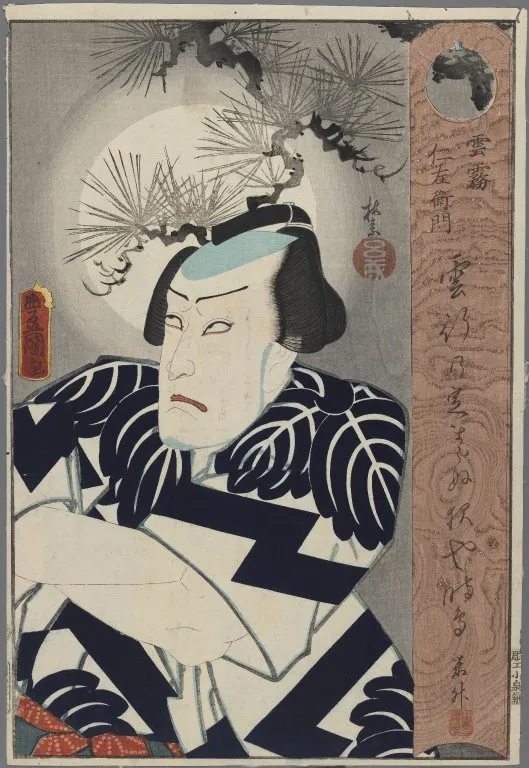
Photo: japanese performer backstage preparing theater dressing room, via www.goodfreephotos.com
Imagine sitting across from a 19-year-old with raw talent and a decent voice, and instead of promising them a single, a tour, and a breakout moment, you hand them a document that says: we're with you until you're 29.
In the American entertainment business, that pitch would get laughed out of the room. In Japan, it's practically standard practice.
The Long Game, Literally
Japan's talent agencies — the big ones like Johnny & Associates' successor empire, Stardust, Horipro, and Amuse — operate on a timeline that would make a Hollywood agent physically uncomfortable. Trainees spend years in developmental programs before ever appearing on a stage that matters. Agencies eat the cost of dance lessons, vocal coaching, dorms, and media training with no guarantee any of it pays off.
The unspoken contract isn't just between the agency and the performer. It extends to the fans, who are essentially told: this person is a work in progress, and you're invited to watch them grow for the next decade.
That's a radically different proposition from the American model, where the ask is usually love this person right now, this second, because the algorithm moves on in six weeks.
Why the American Model Burns So Hot and Dies So Fast
Think about how many one-hit wonders the US music industry has produced since the dawn of streaming. The system is built around the breakout — the viral TikTok sound, the chart-topping debut — and then it's built around squeezing that breakout for everything it's worth before the audience's attention span expires.
The problem is structural. Labels and studios answer to quarterly earnings. A&R executives need hits yesterday. An artist who needs five years to find their voice is a liability, not an investment.
So we get a parade of artists who peak at 22 and quietly vanish by 26. The industry calls it churn. Everyone else calls it heartbreak.
What a Ten-Year Horizon Actually Buys You
Here's what the Japanese system understands that ours doesn't: depth compounds.
A performer given a decade to develop doesn't just get better at singing or dancing. They learn how to hold a room. They learn how to fail in public and come back. They build a fanbase that's invested in the person, not the single — which means when the inevitable flop happens, the fans don't leave. They wait.
There's a Japanese word that gets thrown around in these circles: nintai, patience or endurance. It's not a virtue performed for Instagram. It's a business strategy. The agency that signs a teenager isn't betting on a hit. It's betting on a relationship between the performer and the audience that matures like a good whiskey.
And the payoff? Performers who can sustain careers across 20, 30, even 40 years. The veteran actor who commands a stage at 60 isn't an anomaly in Japan — they're the expected outcome of a system designed for longevity.
The Counterargument, Honestly Stated
Let's not romanticize this. Long contracts have a dark side. Japanese entertainment contracts have faced real criticism — restrictive clauses, punishing schedules, performers who feel trapped. The ten-year horizon can become a ten-year cage if the power balance is wrong.
So the lesson for American creatives isn't copy the contracts. It's copy the timeline.
An independent musician in Nashville or a comedian in Los Angeles can adopt the long-horizon mindset without an agency: build the catalog, not the single. Treat your first three years as the developmental deal you're giving yourself. Let the audience watch you get better instead of demanding they love you immediately.
Patience Is a Competitive Advantage Now
Here's the twist: as every corner of the internet gets faster and noisier, slowness is becoming the rarest asset in entertainment. Audiences are exhausted by overnight stars who turn out to have no second act. What wins loyalty in 2025 isn't the flash — it's the promise that there's more where that came from.
Japanese entertainment figured this out generations ago. The rest of us are just now catching up.
The next time an American label passes on an artist because they're "not ready," maybe that's not a rejection. Maybe it's the smartest thing anyone's said to them all year — if only someone would sign them for ten years and mean it.