Quit While You're Ahead: The Career Move Hollywood Finds Terrifying and Japan Calls Tuesday
Photo: DanielPenfield, CC BY-SA 4.0, via Wikimedia Commons
Let me say the quiet part loud: the smartest career move in entertainment is walking away from the thing that made you famous.
I know how that sounds. In Hollywood, this idea is treated as somewhere between heresy and madness. Your hit show, your signature role, your brand — you ride that horse until it collapses, and then you make a podcast about it.
But in Japan, performers have been doing something different for decades, and the results deserve America's full attention.
The Graduation Nobody Mourns
In the idol world, members "graduate" — the preferred euphemism for retiring from a group — often while still at peak popularity. Concerts are held, tears are shed, merch sells out, and then... she's gone. No farewell tour stretched into infinity. No reunion teased for engagement bait.
To Western eyes, this looks insane. Why quit the machine while it's printing money?
Here's why: because the persona and the person are not the same thing, and Japanese performance culture has always known it. The idol persona, the stage role, the character — these are roles, performed with full commitment, and then set down. The graduation isn't an ending. It's a release.
What Happens After the Curtain Falls
The second acts are where it gets interesting.
Graduated idols have gone on to become solo artists, actresses, fashion designers, restaurateurs, and — perhaps most tellingly — more financially successful and artistically free than they ever were inside the machine. Stage actors in Japan routinely move between kabuki epics, contemporary theater, and television, treating reinvention as craft rather than crisis.
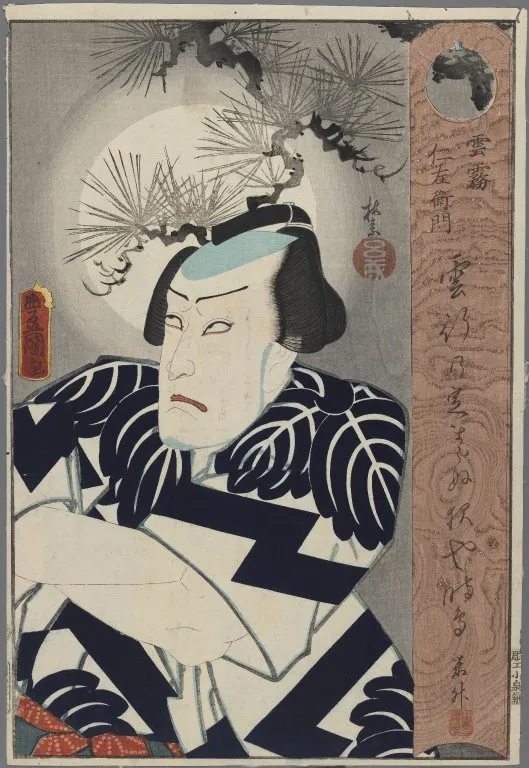
The pattern holds across the culture. It's the same instinct behind a kabuki actor taking on a new name at a shumei ceremony, or a rakugo storyteller inheriting a master's title. Identity in Japanese performance is layered, not fixed. You shed a skin, you grow a new one, and the audience comes along because they trust the transformation.
Why Hollywood Can't Do This (Yet)
American celebrity culture has a brutal flaw at its core: we treat fame as an identity, not a job. Walk away from your franchise and the industry reads it as a breakdown, a feud, or a fade-out. So actors stay in franchises long after the creative well is dry. Musicians tour the same album for a decade. The persona eats the person.
And audiences feel it. That low hum of disappointment when you watch a brilliant performer coast — that's what happens when someone outlives their own role and won't admit it.
The Japanese model offers a different emotional contract with the audience: I gave this everything. Now I'm going to give something else everything. Far from alienating fans, it tends to deepen their loyalty. They followed the person, not the persona — and the person just proved they have range.
The Argument, Plainly
If you're a performer, creator, or anyone whose career has become a character you're tired of playing, consider the Japanese graduation model:
- End the role at its peak, while the love is still real, so the goodbye is a celebration instead of an eviction.
- Treat the persona as a completed work, not a golden cage.
- Announce the transformation, not the retirement. You're not quitting. You're graduating.
Will it feel like leaping off a cliff? Absolutely. The American industry will tell you you're crazy, and for about six months, you might believe it.
But the performers who've made this leap in Japan built something the forever-role-players never get: a career where every act belongs to them.
Retire the persona. Keep the person. That's not quitting — that's the most ambitious thing you'll ever do.